Featured and Trending
Beyond Borders: Building Culture and Trust with Remote Insurance Teams

In a remote-first world, trust isn’t built by proximity, it’s built by intention.
That’s the message that rang clear in Edge’s latest webinar:
“Beyond Borders – Building Culture and Trust with Remote Talent”
Featuring: Laura Yost, VP of Operations at Knippenberg Insurance
Moderator: Eddy Chen
With over two decades of leadership experience and a proven track record of building high-performing, award-winning teams, Laura brought deep, actionable insights for insurance leaders managing distributed and hybrid teams.
Culture Is Not a Nice-to-Have—It’s a Strategic Lever
“People don’t stay because of software. They stay because they feel seen.”
That’s how Laura framed the modern culture challenge for insurance organizations. As remote and hybrid staffing becomes the norm, many leaders focus on logistics access, workflows, security but overlook the invisible glue of performance: connection and culture.
“Remote teams feel the disconnect faster. They notice when they’re excluded. And it’s on leaders to close that gap.”
Rituals Build Culture, Even From a Distance
Laura shared that Knippenberg Insurance runs several lightweight but meaningful rituals that reinforce trust, consistency, and collaboration:
-
Monday Kickoff Calls – Every week starts with a team-wide sync to align on priorities and acknowledge wins.
-
Virtual “High Five” Wall – Using a shared digital board, teammates recognize one another for going above and beyond.
-
Buddy System for Onboarding – Every new remote hire is paired with a buddy, even if they’re in different departments.
“Culture isn’t one big thing. It’s a lot of small things, done consistently.”
Communication Hygiene = Operational Clarity
“Your team mirrors your tone.”
That’s how Laura described the ripple effect of leadership communication, especially remotely. Whether it’s a Slack message, Zoom check-in, or a screen-recorded Loom, how you speak sets the emotional tone of the team.
She encourages insurance leaders to model:
-
Responsiveness without pressure (i.e., define expected response times)
-
Transparent thinking (share the “why” behind decisions)
-
Clear escalation paths (so remote team members know how to ask for help)
“When people don’t know who to turn to, things fall through the cracks. That’s not a people issue—it’s a systems issue.”
Tools That Power Remote Alignment
Laura emphasized that it’s not about having a million tools, it’s about using the right ones well. At Knippenberg, their remote ops stack includes:
-
Slack for real-time updates and async culture building
-
Loom for walkthroughs, shoutouts, and process handovers
-
Trello for task visibility and pipeline tracking
-
Weekly One-on-Ones to check in beyond tasks, how people are actually doing
She recommends every leader ask themselves:
“If I wasn’t physically in the room, would I still know how my team is doing?”
Embedding External Remote Talent into Culture
Many attendees asked how to integrate virtual assistants and third-party remote hires (like those from Edge) into internal team culture. Laura had a clear answer:
“Don’t call them vendors. Don’t call them ‘your VA.’ Call them by name. Include them in team rituals. That’s how they feel ownership.”
At Knippenberg, external remote team members:
-
Join team calls and celebrations
-
Receive internal shout-outs and recognition
-
Are held to the same performance standards because they’re treated like real teammates
“You’ll be shocked how much more they give when they feel they belong.”
Real Audience Q&A Highlights
Q: How do you onboard remote hires so they feel connected?
Laura: “We pair every new team member internal or remote with a buddy. We also send a welcome box, and have a Day 1 ‘culture call’ with me.”
Q: What are easy wins to build trust remotely?
Laura: “Celebrate small wins out loud. Respond to their questions quickly. And let them see the impact of their work.”
Q: How do you rebuild trust when it’s broken?
Laura: “Start with ownership. Say what went wrong, what will change, and follow through. Consistency rebuilds trust more than apology alone.”
Takeaways for Insurance Leaders
By the end of the session, one thing was clear: culture is a muscle. If you want high-performance from remote or hybrid teams, especially in complex industries like insurance, you need to train that muscle every day.
Top 5 Takeaways:
-
Intentional rituals > Occasional bonding
-
Remote team members must feel valued, not just useful
-
Use tools like Slack and Loom to increase visibility and warmth
-
Respect response boundaries while maintaining clarity
-
Culture starts at onboarding and never stops
Final Thought: Remote Trust Isn’t Automatic—But It’s Absolutely Possible
Laura closed with this reminder:
“Remote work isn’t the problem. Poor leadership is.”
When leaders show up with consistency, transparency, and empathy remote teams thrive. Insurance ops can scale faster, smarter, and more sustainably when culture isn’t an afterthought.
Want to Build a Remote Team That Feels Like Family?
Edge helps insurance agencies build high-trust, high-performance remote teams with fully trained talent, compliance handled, and onboarding support baked in.
Hire remote assistants for:
-
COI coordination
-
Policy servicing
-
Claims support
-
Renewal tracking
-
Quote-to-bind admin
Book a Call to see how we can support your team with pre-vetted, insurance-trained talent.
More from Insurance
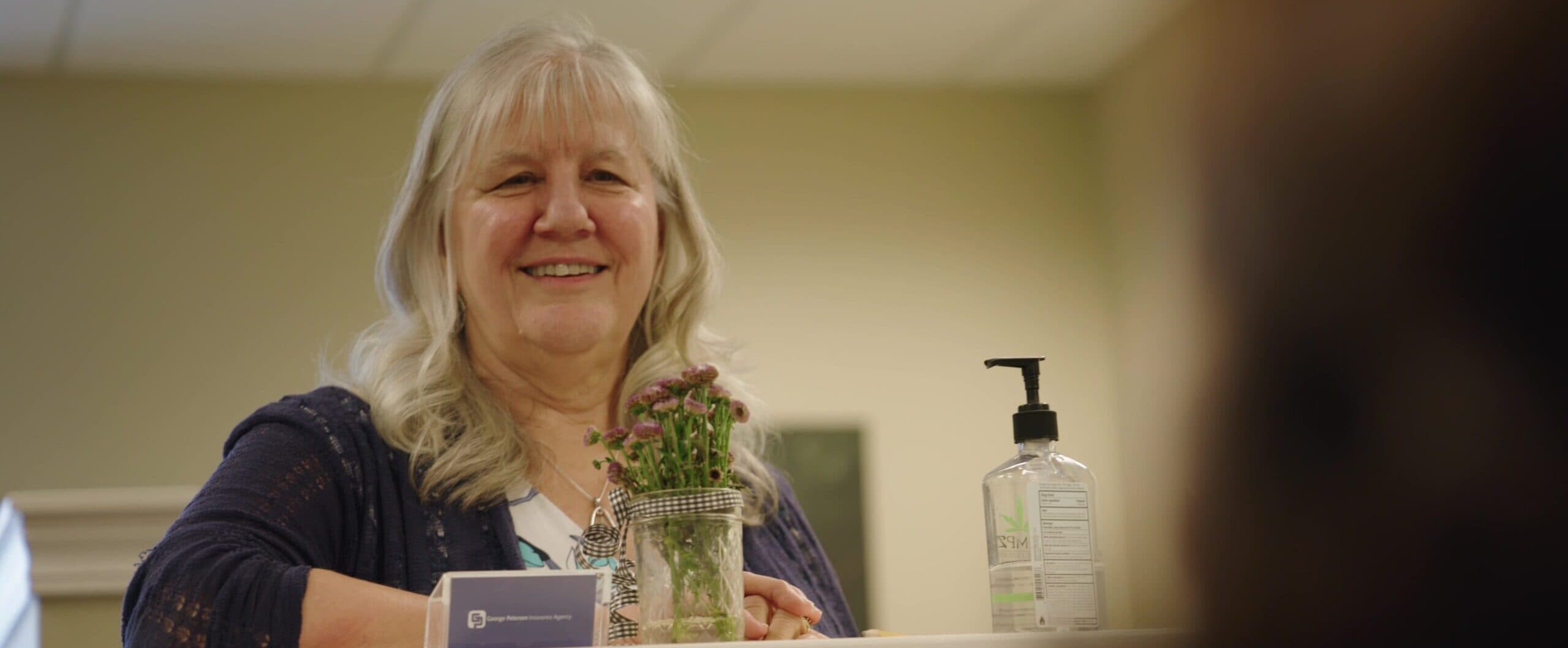
Hire Your First Insurance Team Beyond Borders Without the Risk
The world’s best insurance teams aren’t remote—they’re responsible. Most agencies want to scale. Few know how to do it responsibly. The truth? Building global capacity doesn’t mean handing off control or gambling on offshore outsourcing. Too many agencies delay building global capacity because they think it’s an all-or-nothing commitment. It’s not. George Petersen Insurance …

How George Petersen Insurance Proved That the Future of Work is Built on a Flexible Workforce
Still hiring like it’s 2010? If your hiring playbook says “post a job, hope someone local applies,” you’re choosing to slow your own growth. George Petersen Insurance — a $43M independent agency with multiple offices — decided to move differently. They built a dedicated backend team through Edge, freeing their people from burnout and bottlenecks. …

Why US Insurance Agencies Are Switching to Remote Admin Teams in 2025
Insurance agencies face mounting pressure: customers expect seamless digital service, talent shortages have left producers drowning in paperwork, and rising error rates threaten profitability. In 2025, many U.S. agencies are turning to remote staffing for insurance agencies, building virtual admin teams that handle back‑office work so in‑house staff can focus on advising clients. This blog …

How Virtual Assistants Help Insurance Companies Improve Customer Service & Reduce Errors
Insurance operations have always been heavy on people and paperwork. From quoting to renewal to claims, every transaction requires accuracy and speed. Yet many carriers and agents still rely on manual entry and phone trees that frustrate policyholders and introduce errors. In 2025 and beyond, virtual insurance staffing lets insurers build a high‑quality service operation …